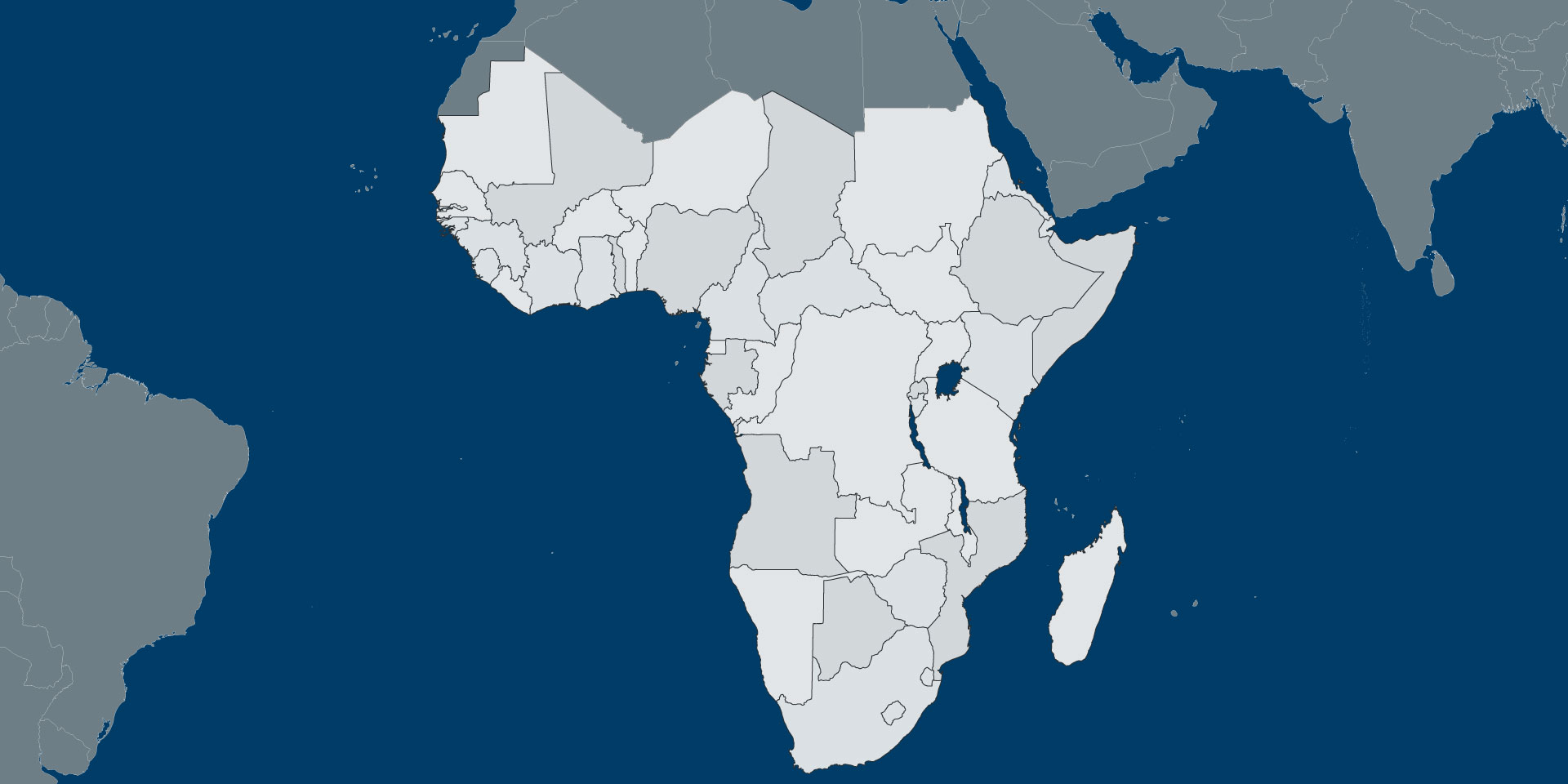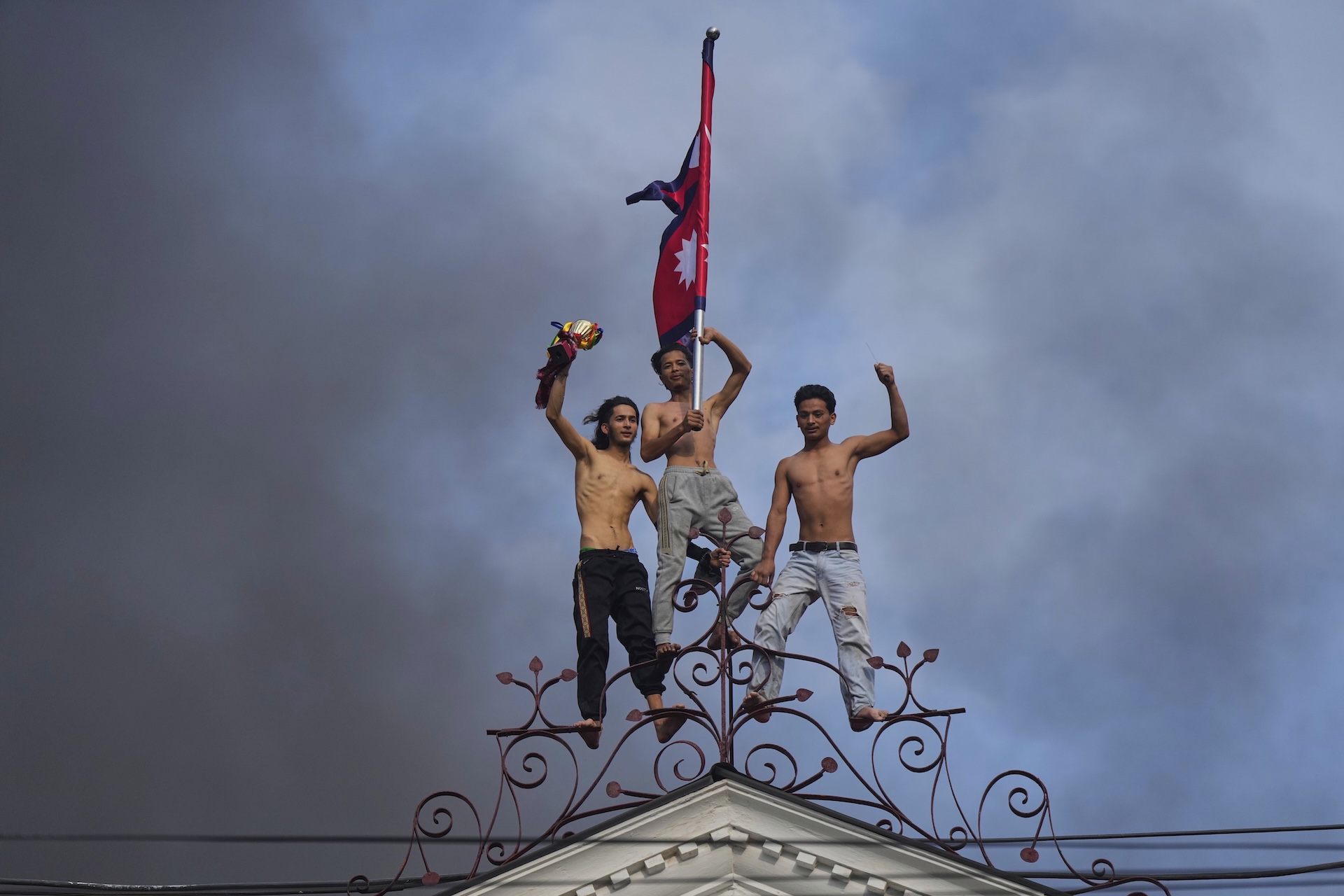
The world has seen a wave of mass protests in recent years, often led by Generation Z, including in many countries across South and Southeast Asia. Last year, a massive student-led uprising in Bangladesh toppled the repressive government of then-Prime Minister Sheikh Hasina and her Awami League party. In Thailand, youth-led protests calling for widespread reforms have raged on and off in recent years, despite intense crackdowns. In Nepal, young people angry about corruption forced the government out of power in early September. And in Indonesia, large protests involving many younger people began in August and have continued.
Local and global media have often portrayed these demonstrations as transformational for policymaking and governance, which is understandable given the impact they have had in forcing changes in government in some countries. Gen Zers in many parts of Asia are angry over governmental corruption, poor job prospects, inequality and entrenched business interests that hamper public service delivery. The widespread use of social media at these protests is also inspiring similar tactics in other countries around the world. But these demonstrations, unlike large-scale protests in, say, the late 1980s, will not necessarily lead the protesters to wield influence over their governments.
Indeed, multiple studies have shown that modern protest movements—often diffuse, purposely leaderless and organized online—are not particularly effective at fostering real change. Most notably, Harvard political scientist Erica Chenoweth showed in 2020 that large-scale protests, strikes and demonstrations had become less successful in fostering change than nonviolent movements of the past. “From the 1960s until about 2010, success rates for revolutionary nonviolent campaigns remained above 40 percent,” Chenoweth found. By contrast, “[s]ince 2010, less than 34 percent of nonviolent revolutions and a mere 8 percent of violent ones have succeeded.”